
A Major Data Exposure
New reporting from 404 Media and WIRED reveals that Flock has been using overseas workers from Upwork, including workers in the Philippines, to review and classify U.S. surveillance footage. The information became public after Flock accidentally exposed an internal panel containing annotation metrics, worker lists, and training materials.
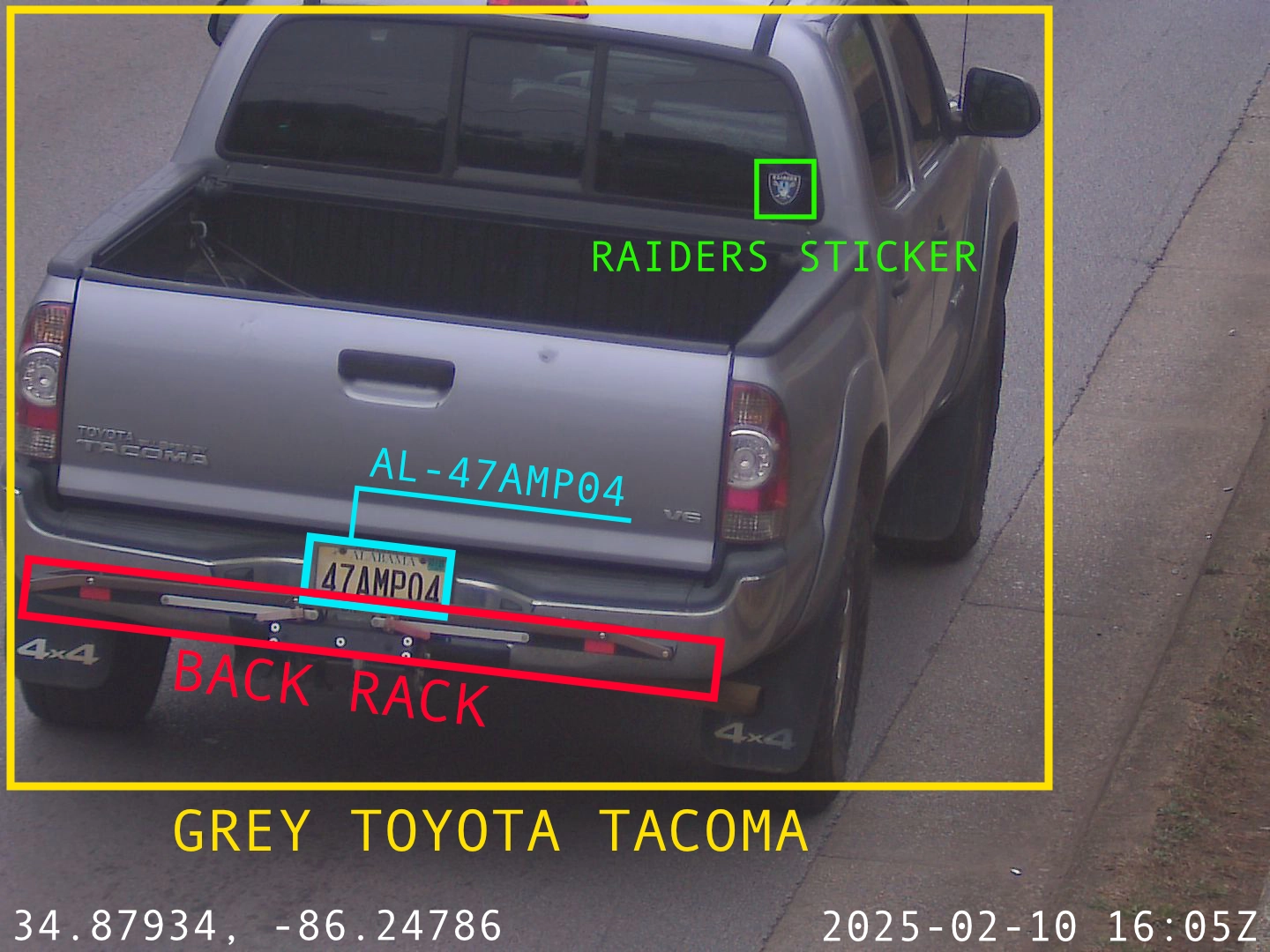
According to 404 Media, these contractors were instructed to review images of vehicles and people taken from cameras in the United States. The instructions included how to categorize vehicle makes and colors, how to transcribe license plates, and how to listen to audio clips involving gunshots, tire screeching, wrecks, and screaming.
What the Leaked Material Showed
Screenshots included in the exposed material contained images that were clearly from inside the United States. These included license plates from New York, Michigan, Florida, New Jersey, and California, as well as identifiable road signs and an advertisement from a law firm in Atlanta.
The leaked panel also displayed worker task counts, queues of annotation jobs, and names that were linked to Upwork profiles located overseas. Some workers completed thousands of annotations in only a few days.
After 404 Media contacted Flock for comment, access to the exposed panel disappeared. Flock declined to comment further.
Why This Raises Serious Concerns
Flock markets itself as a public safety tool used by police departments across the country. But the leaked information confirms that human workers, including workers located abroad, are reviewing pieces of U.S. surveillance data. The footage being annotated includes audio, vehicle details, and visual information about people who appear in the frame.
These findings raise questions about:
- Who is allowed to view the footage collected in American communities
- Whether footage is leaving the country during the annotation process
- How sensitive audio or visual information may be handled or stored
- Whether communities using Flock were ever told that overseas contractors would review local footage
Residents in states using Flock were not informed that footage from their neighborhoods could be reviewed by gig workers outside the United States.
The Indiana Problem
Indiana has more than 1,300 known ALPR cameras in operation. Many of these cameras are connected to the same nationwide Flock network referenced in the 404 Media and WIRED reporting.
Indiana has no statewide ALPR law. There are no rules specifying:
- How long footage can be retained
- Who can access Indiana data
- Whether footage can be viewed or handled overseas
- What auditing or oversight must occur
- What vendors are allowed to do with Indiana images and audio
Because there are no restrictions, Hoosier data could be part of the same type of annotation process described in these reports and residents would never be notified.
What Indiana Needs
Indiana needs clear statewide standards that set limits on retention, access, auditing, transparency, and data handling. Without state law, every department is on its own and residents have no guaranteed protections.
How Hoosiers Can Help
- Sign the petition supporting statewide ALPR regulations: eyesoffindiana.org/petition
- Share this article with neighbors, friends, and local officials
- Encourage lawmakers to adopt clear privacy standards that protect both residents and responsible law enforcement