
A Nationwide ALPR Abuse With Major Implications
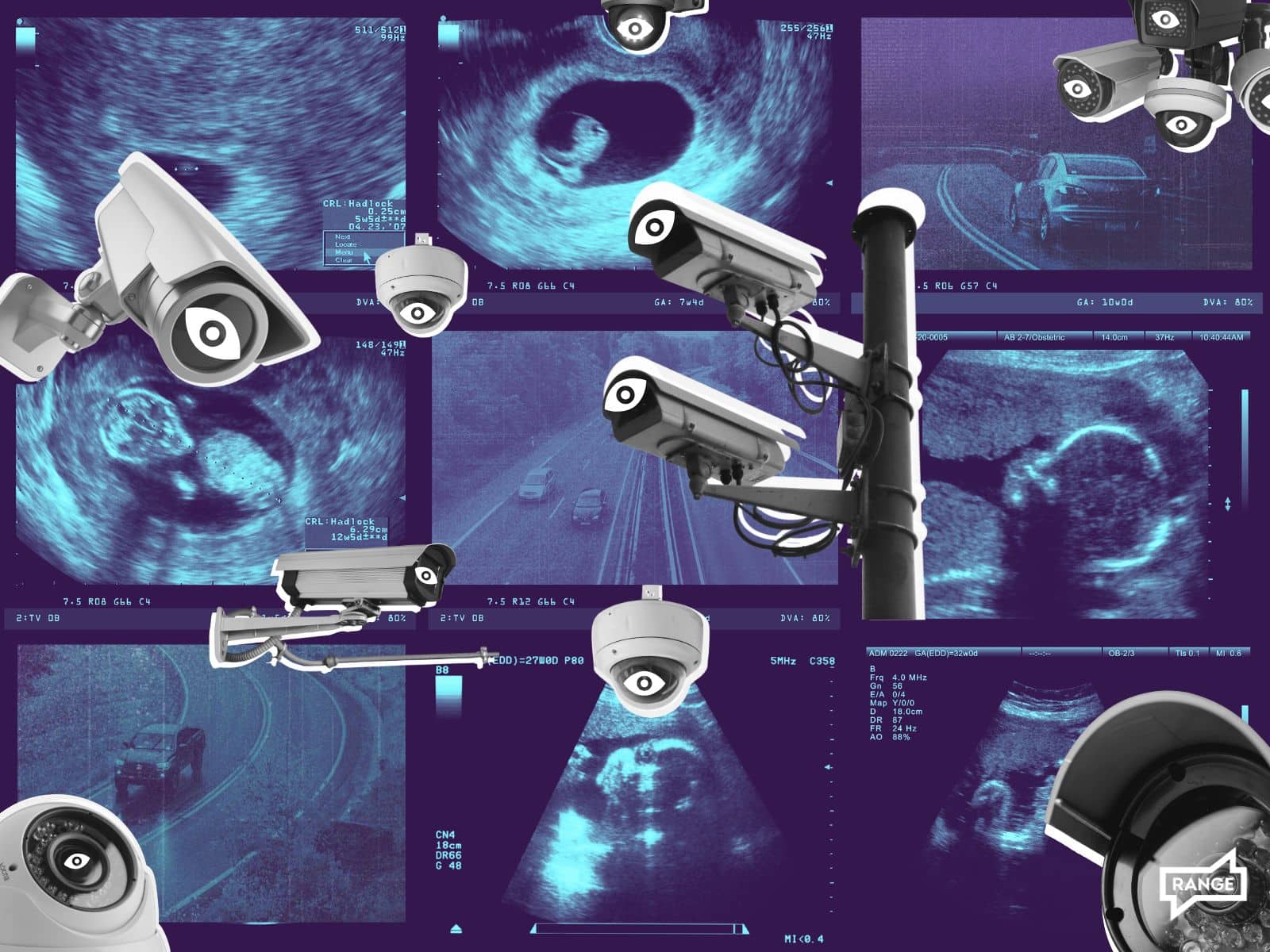
In May 2025, a sheriff’s deputy in Johnson County, Texas conducted a massive, nationwide search across 83,345 Flock cameras. His entered justification: “had an abortion, search for female.”
New reporting from RANGE Media shows that this search reached Spokane County, Washington’s Flock system, despite abortion being legal in Washington and despite state law prohibiting cooperation with out-of-state abortion investigations.
The case underscores a bigger truth: if an officer in Texas can reach into Washington’s ALPR network, an officer anywhere could reach into Indiana’s—because Indiana has no statewide limits at all.
What the Records Reveal
Documents obtained by RANGE show:
- The Texas deputy searched tens of thousands of ALPR cameras nationwide,
- Spokane County’s network was included even though the conduct being investigated was legal in that state,
- The justification field explicitly referenced an abortion, which is not a crime in Washington,
- Spokane County officials did not initially know their system was accessed,
- The county later turned off nationwide lookup—but only after the media uncovered the misuse.
Despite Washington’s strong reproductive-health protections, the deputy’s search still went through. Flock did not block the request and did not require a valid in-state criminal justification.
Misleading Explanations and Conflicting Accounts
After journalists uncovered the story, officials in Texas and Washington offered shifting explanations:
- Texas later claimed the search was a 'welfare check,'
- Flock echoed that claim,
- But records obtained by the Electronic Frontier Foundation show deputies had opened a “death investigation” related to a “nonviable fetus,” contradicting the welfare-check narrative.
One sheriff involved in the case has since been indicted on unrelated felony counts, including aggravated perjury.
The Scale of Access: Who Else Can See Your Movement Data?
From January 1 to June 23, Spokane County logged 2.3 million ALPR searches. Only 4.8% were made by local Spokane-area agencies.
The rest came from across the country.
Washington’s records show that Spokane County had:
- 227 authorized users, including officers in Idaho,
- An FBI email account with access,
- A generic gmail address labeled spokanetemp@gmail.com,
- Thousands of out-of-state queries before the feature was disabled.
Flock’s system did not enforce reason codes or case numbers—RANGE found 289,000+ searches with no case number at all, despite policy requiring one.
Why This Matters for Indiana
Indiana has more than 1,300 known ALPR cameras, nearly all connected to the same Flock nationwide network used in this incident.
But unlike Washington—where the abortion investigation was at least legally prohibited—Indiana has zero statewide ALPR rules. That means:
- No limits on out-of-state access,
- No statewide retention standards,
- No required auditing of search logs,
- No rules limiting what officers can enter as a search justification,
- No penalties for misuse,
- No transparency requirements for the public.
If a Texas deputy can search Washington's network for an abortion investigation, an out-of-state agency could easily search Indiana’s ALPR systems tomorrow—and Hoosiers would never know.
What This Case Reveals About ALPR Vulnerabilities
The Spokane incident demonstrates:
- Vendor systems do not enforce meaningful safeguards,
- Local policy is not enough to prevent misuse,
- Out-of-state agencies can access local data without barriers,
- Justification fields are often meaningless,
- Detection typically occurs only after journalists or whistleblowers uncover a problem.
ALPR data shows where you drive, when you leave home, who you visit, where you worship, what clinics you go to, and what protests you attend. Without statewide guardrails, it becomes a ready-made tracking system.
How Indiana Can Prevent the Same Problem
Indiana can avoid incidents like this by adopting statewide ALPR rules that require:
- Short, uniform retention limits,
- Mandatory audit logs and quarterly reviews,
- Criminal and administrative penalties for misuse,
- Public reporting of search volumes and network access,
- Strict limits on data sharing with out-of-state agencies,
- Clear purpose restrictions defining permissible searches.
These standards protect residents and responsible law enforcement by ensuring transparency and accountability.
The Takeaway for Indiana
A Texas deputy used a nationwide ALPR network to search for a woman who had an abortion—conduct that was legal in the state where he queried cameras. That same unrestricted access exists today in Indiana.
Until Indiana sets statewide limits, Hoosiers remain exposed to the same kind of cross-state surveillance misuse.
How Hoosiers Can Help
- Sign the petition supporting statewide ALPR regulations: eyesoffindiana.org/petition
- Share this article with friends and local officials,
- Encourage lawmakers to adopt retention limits, audit requirements, and transparency rules.
Indiana can protect both privacy and public safety—but only with clear statewide standards.